The minor scale is a type of scale characterized by a sad, dramatic, or dark sound. Unlike the major scale, it creates a more melancholic feeling and is widely used in both classical and modern Western music. Composers such as Beethoven, Mozart, and Chopin frequently used minor scales in their works. In jazz, the melodic minor is an essential tool for improvisation. In rock, metal, and pop music, it is often chosen to create a dramatic atmosphere. You can feel the difference between major and minor in Take Five through the transitions between E♭ minor and A♭ major. The major sections carry a sense of brightness, while the minor parts create a dramatic contrast:

In a minor scale, there is a whole step and a half step between the root note and the third note. In a major scale, this same concept is useful for distinguishing between major and minor chords when building chords.
Minor scales are divided into three types:
- Natural Minor Scale
- Harmonic Minor Scale
- Melodic Minor Scale
Let’s examine each one:
Natural Minor Scale
The natural minor scale has a relationship with the major scale, known as the relative minor. Starting on the sixth degree of a major scale produces its relative natural minor, which uses the very same notes. For example, if we take the sixth degree of the C major scale, which is the note A, and just list the notes (without applying the minor scale formula), we create the A minor scale using the same notes as C major. In other words, in any major scale, starting from the sixth degree and continuing through the sequence of notes will give us the relative minor scale. In terms of modes, this corresponds to the Aeolian mode. We will explore modes in greater detail later.
Natural minor scale pattern:
Whole – Half – Whole – Whole – Half – Whole – Whole
When we begin with A and follow the natural minor scale formula (w – h – w – w – h – w – w), the resulting sequence of notes is:
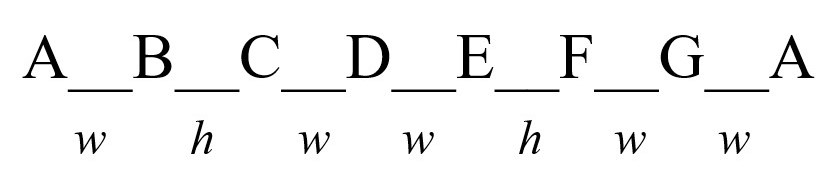
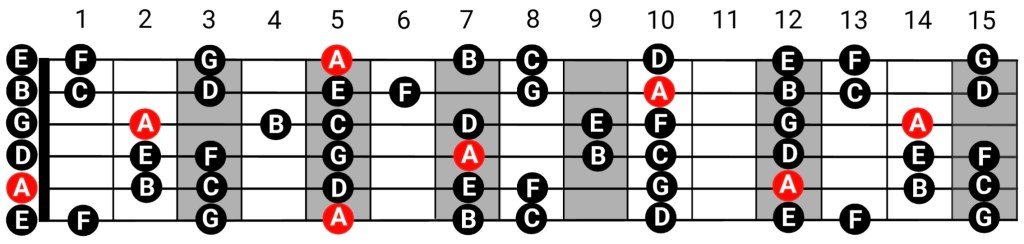

As you can see, the A minor scale contains the same notes as the C major scale. That is why A minor is called the relative minor of C major.
As another example, if we take D as the starting note and apply the natural minor scale formula (w – h – w – w – h – w – w):
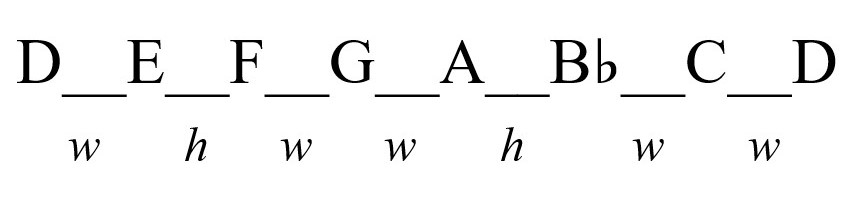
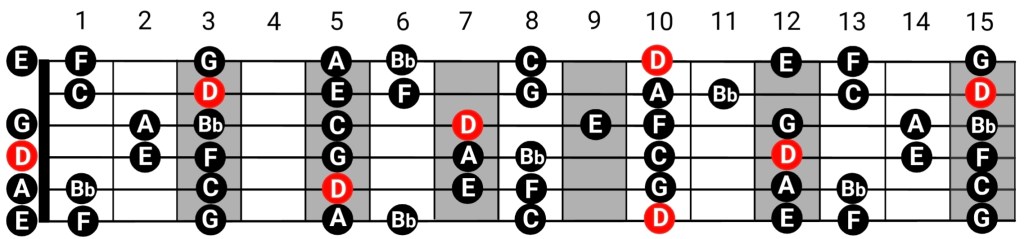

By the way, to avoid any confusion, let me clarify: the terms sharp and flat indicate when a note is raised or lowered by one fret on the guitar. Do not be misled by the fact that major scales often use sharps while minor scales often use flats. Continuing with our example, the half step after A gives us A#. If we write the scale this way, we get D–E–F–G–A–A#–C–D. Musically, this is correct, but having two notes written as A in the same scale does not look very clear. In every scale, we prefer to see all seven note names represented. For this reason, B♭ is used instead of A#, since it is clearer both in terms of notation and readability. A# and B♭ refer to the same note.
The natural minor scale is the most basic and pure form of minor scales. In most cases, when people refer to a “minor scale,” they actually mean the natural minor. It has a melancholic, dramatic, and dark tone:
- Fade to Black
- Comfortably Numb
- Gladiator Theme
- Nocturne in B flat minor
- The Thrill is Gone
- The Ring Goes South; A Journey from the Shire (Major) to Mordor (Minor).





Harmonic Minor Scale
The harmonic minor scale is derived from the natural minor scale. The difference lies in raising the seventh degree by a half step, making it a major seventh. This alteration creates an augmented interval between the sixth and seventh degrees. (Augmented interval = 3 half steps)
Harmonic minor scale pattern:
Whole – Half – Whole – Whole – Half – Aug – Half
If we begin with A and follow the harmonic minor scale formula (w – h – w – w – h – aug – h), the resulting sequence of notes is:
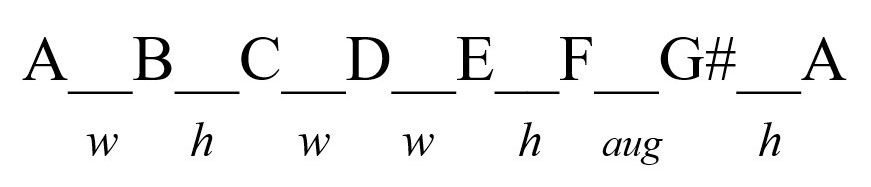
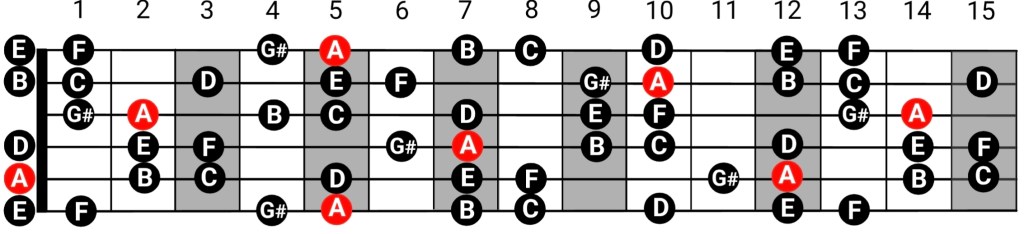

The difference here is: F → G# = augmented interval.
This gives the scale its characteristic “Eastern melody” flavor, which is why it is often found in Arabic, Turkish, Indian, and Flamenco music:




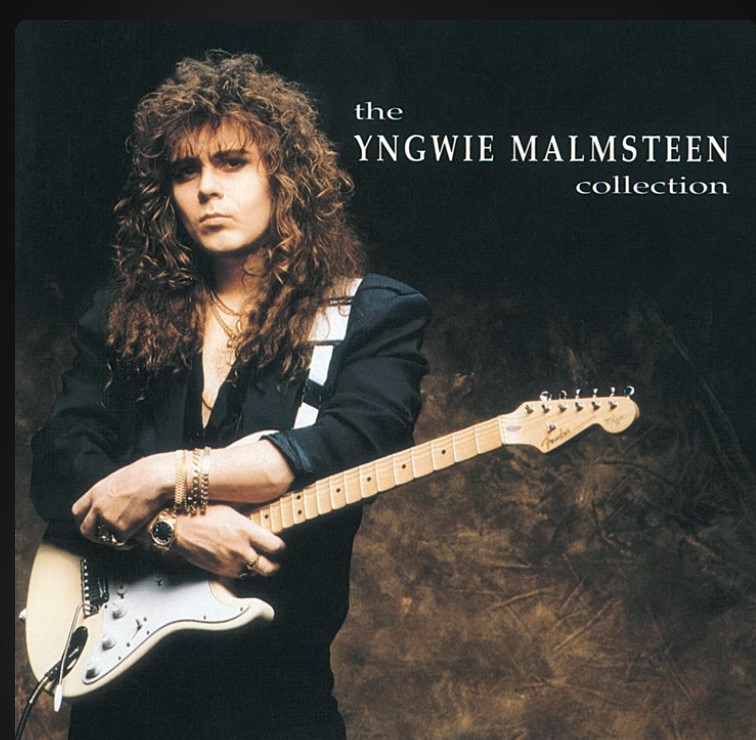
It has also had a strong influence on heavy metal and neoclassical metal. Metal music often requires a powerful, dramatic, and theatrical expression, with its “majestic” character inherited from classical music, fits this need perfectly. For this reason, it is commonly used both in riffs and in fast guitar solos. For example, the “classical violin concerto feel” that is often heard in Yngwie Malmsteen’s music actually comes from passages written on the guitar using the harmonic minor scale:


The raised seventh note creates a strong pull toward the root, meaning that on the guitar, when you arrive at this note, you naturally want to resolve it to the first note of the scale, giving a sense of completion. This is called the leading tone, which you can think of as a note that drives or pulls you toward another.
By starting the root note on different pitches, you can first play the natural minor scale and then raise the seventh note (one fret higher) to clearly see the difference between the two.
Melodic Minor Scale
The melodic minor scale is formed by raising the sixth and seventh degrees of the natural minor scale by a half step, in other words, by raising the sixth degree in addition to the seventh, as in the harmonic minor. This change makes the scale resemble a major scale with only the third degree lowered.
Melodic minor scale pattern:
Whole – Half – Whole – Whole – Whole – Whole – Half
When we begin with A and follow the melodic minor scale formula (w – h – w – w – w – w – h), the resulting sequence of notes is:

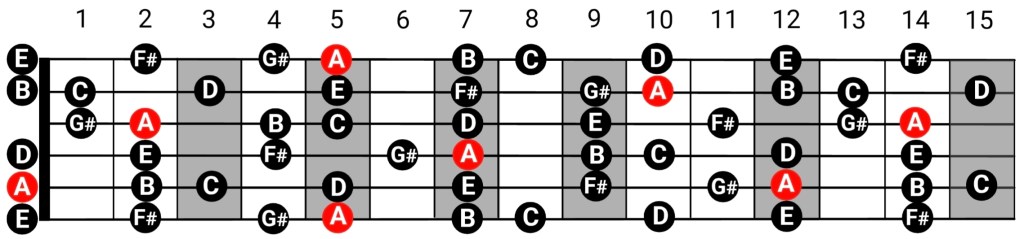

As you can see, in the harmonic minor scale the augmented interval between the sixth and seventh degrees can sometimes make the melodic flow less smooth. In the melodic minor scale, however, this leap is replaced by two whole steps, which gives it a smoother sound. Raising both the sixth and seventh degrees also creates a leading tone effect, producing a stronger pull toward resolution and giving the melody a tighter sense of connection. For comparison:
- Natural A minor: A – B – C – D – E – F – G – A
- Harmonic A minor: A – B – C – D – E – F – G♯ – A
- Melodic A minor: A – B – C – D – E – F♯ – G♯ – A
In this form, the melodic minor carries a kind of “hybrid” quality:
- The first five notes (A–B–C–D–E) are identical to the natural minor.
- By raising the last two notes (F♯–G♯), it gains a brighter character that leans toward the major scale.
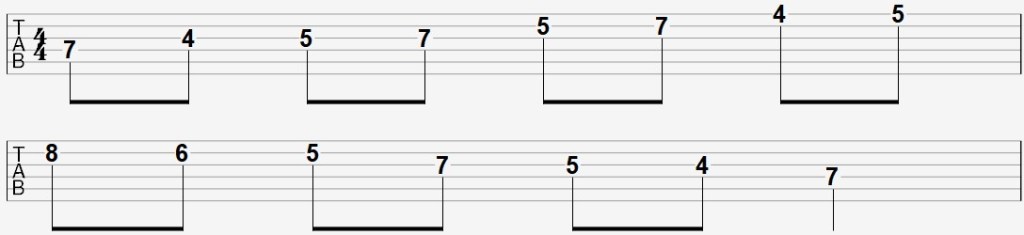
An important detail is that the melodic minor differs in its ascending and descending forms. Ascending, it follows the melodic minor pattern, while descending, it reverts to the natural minor. This feature makes it ideal in classical music for creating “singable” lines; the ascent provides tension, while the descent offers a sense of release, adding emotional dynamism:
When we think of scales as emotional landscapes, the natural minor brings to mind night and sorrow, while the major evokes day and brightness. The melodic minor, however, feels like dawn or twilight: the darkness lingers, yet light has begun to appear. With this quality, it does not lock the listener into a single emotion, but keeps them in transition, balanced between tension and release.
The melodic minor often awakens both sadness and hope at once. It lifts the gloom of the natural minor while offering a sense of resolution. At the same time, it carries dramatic weight, which is why it shines in arias and stage works. In film scores or jazz, it creates a sense of mystery and otherness. In rock and metal, it takes on an energetic, virtuosic character, blending technical brilliance with dramatic force:
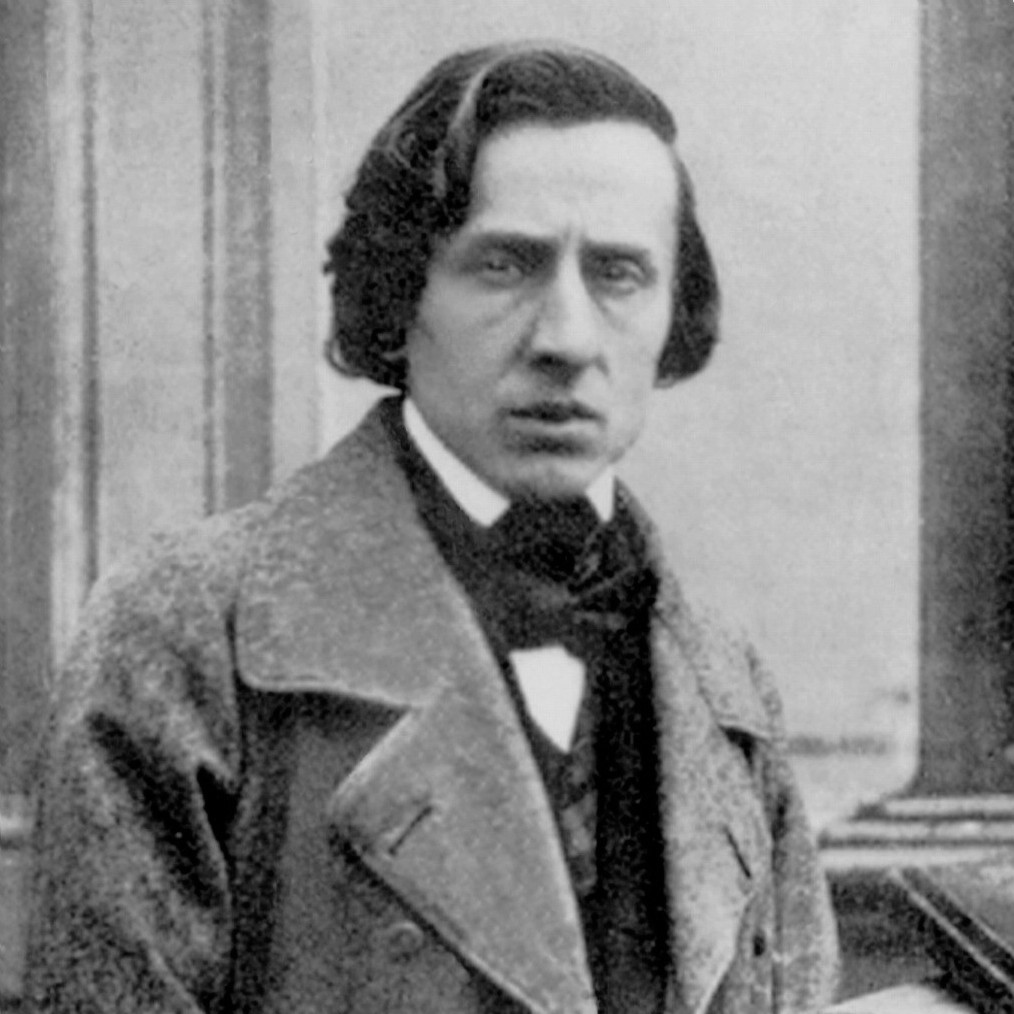
- Chopin–Étude Op.10 No.2, in right-hand passages, you can clearly hear the ascending form of the melodic minor.
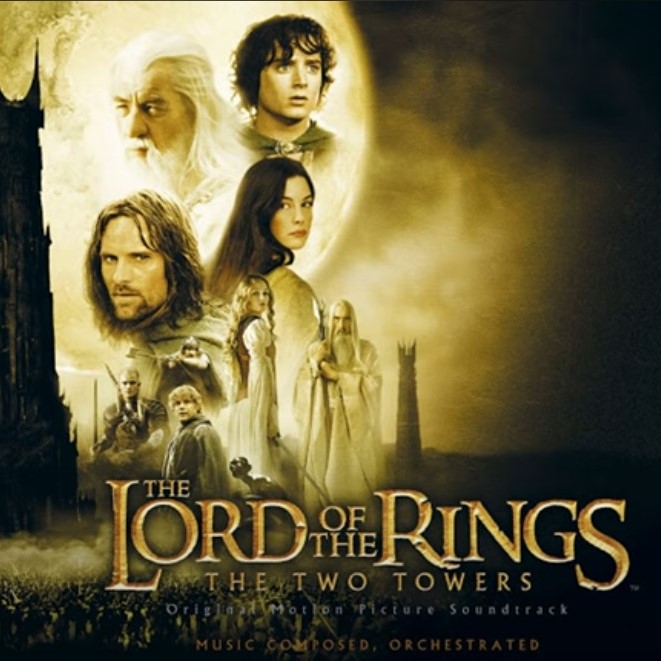
- Howard Shore–Gollum’s Song, the tension between darkness and light in the theme is built through the melodic minor.
- Metallica–The Call of Ktulu, in this instrumental piece, the melodic minor can be felt in the dramatic progressions.


Comparison of the Scales
Before moving on to other scales, it will be useful to compare the ones we have studied so far. Here are the major, natural minor, harmonic minor, and melodic minor scales starting on the note C:
C major scale

C natural minor scale

C harmonic minor scale

C melodic minor scale

